
The NIL market has moved beyond basic sponsorship matching. Today’s platforms help brands discover athletes, manage campaigns, handle compliance, process payments, and measure performance. But as the market matures, a new question is becoming more important: what happens after the fan engages?
For many NIL platforms, the answer is still underdeveloped. A campaign runs, an athlete posts, fans react, and the platform reports the results. But the fan, the most valuable long-term asset in sports, often remains outside the core product experience. For NIL platforms, the strategic opportunity is to move from being a marketplace for athlete-brand transactions to becoming infrastructure for athlete-brand-fan-university monetization.
The next generation of NIL platforms will not only connect athletes and brands. They will build a fan engagement layer where fans actively participate, earn rewards, unlock access, and develop lasting relationships with athletes, brands, and teams.
This is where Web3 for NIL platforms becomes relevant as infrastructure for repeatable engagement, measurable brand activation, new revenue streams, and stronger athlete-fan relationships.
The best Web3 layer for NIL will not feel like crypto. It will feel like a better sports fan experience.
As more NIL platforms offer similar deal-flow, payment, and campaign management tools, the next competitive advantage will come from owning more of the post-campaign relationship: fan engagement, rewards, access, loyalty, and revenue data.
Web3 for NIL platforms is the use of blockchain-based infrastructure to support digital ownership, fan rewards, token-gated access, athlete passes, branded campaign activations, revenue splits, and persistent fan identity inside NIL and athlete-commerce products.
In practice, Web3 should not make the NIL experience feel more technical. The best implementations hide blockchain complexity and focus on familiar fan actions: claiming a pass, unlocking a reward, accessing exclusive content, joining a community, or supporting an athlete directly.
For NIL platforms, the value of Web3 is not speculation. It is infrastructure for repeatable engagement, measurable brand activation, and new athlete monetization models.
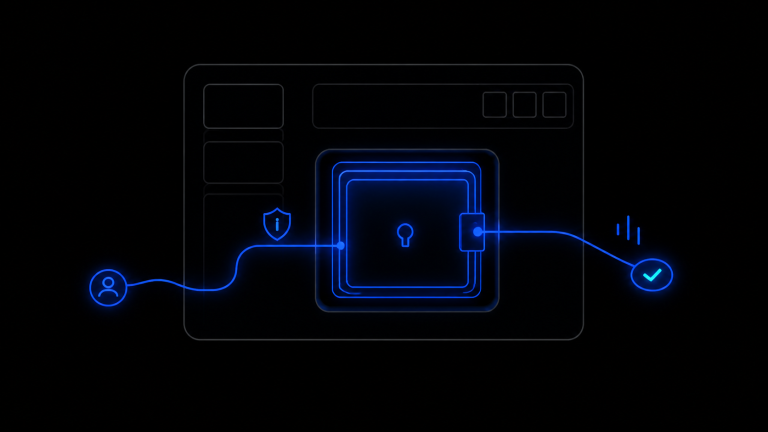
For a blockchain NIL platform to work for mainstream sports audiences, the blockchain layer should stay mostly invisible. Fans should see passes, rewards, access, and perks — not wallet complexity.
Web3 is not new to NIL. Several athlete-fan and NIL-related products have already explored NFTs, digital collectibles, direct fan payments, token-gated access, and blockchain-enabled engagement models.
For example, Luka Garza NFT Group positions itself as an NFT marketplace designed to help college athletes, artists, musicians, and students monetize their NIL. The Players’ Lounge has been described as a collegiate Web3 NIL platform focused on athlete-fan access, exclusive events, merchandise, and message boards by PRWeb and On3.
These examples show that the market has already tested Web3 mechanics in NIL. The next opportunity is to make those mechanics more useful, more compliant, and easier for mainstream fans to use.
Recent changes in college sports have made NIL operations more complex and more central to how universities, collectives, brands, athletes, and technology platforms create value. The market now needs better systems for managing payments, compliance, reporting, brand campaigns, fan engagement, and monetization.
The broader college sports environment is also changing. NIL rules, school revenue sharing, collectives, and third-party marketplaces are becoming part of the same operating system for athlete monetization.
The first wave of NIL platforms focused on enabling transactions: helping brands find athletes, helping athletes get paid, and helping schools, collectives, and partners organize workflows. That was the foundation.
The next wave will be about infrastructure: repeatable fan engagement, brand activation, athlete-owned communities, compliant payouts, and monetization systems that extend beyond one-off campaigns.
This shift matters because brands increasingly want measurable actions, not just impressions. Athletes need better ways to monetize their communities beyond individual sponsorship posts. Platforms need differentiation in a market where deal-flow tools are becoming more common. Fans expect more interactive, personalized relationships with the athletes they support.
Web3 can support this shift when it is used as a practical product layer for ownership, access, loyalty, verification, and revenue sharing.
Most NIL marketplaces still operate on a familiar loop: a brand launches a campaign, athletes promote it, fans see the content, and some fans take action. Then the platform reports the results and the fan relationship often stops there.
This model works for campaign execution, but it rarely turns participation into a long-term relationship. A fan may like a post, buy a product, scan a QR code, or attend an event — but there is often no persistent layer that recognizes that action and brings the fan back.
That creates a missed opportunity for every side of the ecosystem. Brands lose the chance to build loyalty after the first touchpoint. Athletes miss the chance to convert attention into a long-term community. Platforms miss the chance to create repeat engagement and richer first-party data.
NIL marketplaces need to evolve from campaign execution platforms into fan engagement ecosystems.
The opportunity is to move from transactions to relationships. A sponsorship post, merch purchase, fan request, or campaign action should not be the end of the journey. It should become the beginning of a deeper relationship between the fan, athlete, brand, and platform.
For a broader explanation of NIL marketplace models, features, and product design patterns, read our guide: What Is a NIL Marketplace?
Web3 belongs in a NIL product only when it creates a clearer fan action, a stronger brand outcome, or a new monetization path. For NIL platforms, its practical value comes from turning participation into something fans can own, use, unlock, or return to later.
Building this layer requires more than smart contracts. Marketplace architecture, embedded wallet UX, fiat payments, token-gating, analytics, and compliance-ready admin workflows need to work together as one product system.
Fans can receive digital assets tied to athletes, campaigns, purchases, events, or milestones. A fan who supports an athlete’s first merch drop or joins a branded campaign can carry that recognition into future experiences.
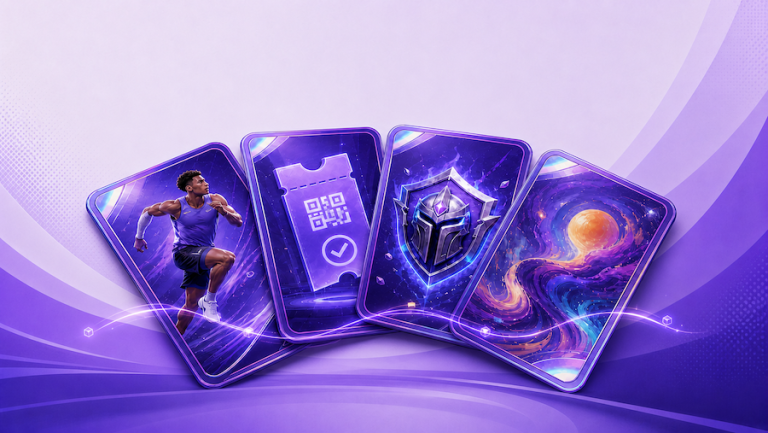
A pass or collectible can unlock specific benefits: early merch access, private content, raffles, event access, meet-and-greets, or brand-sponsored experiences. The asset becomes useful because it does something for the fan.
Brands can reward fans for purchases, referrals, QR-code scans, event participation, social engagement, or content submissions. This gives brands a measurable activation layer and gives fans a reason to continue engaging after the first campaign touchpoint.
This is where a NIL platform can evolve into a NIL rewards platform: a system where brands, athletes, and fans participate in measurable reward-based campaigns instead of one-off promotional posts.
Smart contract infrastructure can support transparent revenue split logic between athletes, platforms, brands, collectives, and other stakeholders. But in NIL, payout logic still needs to align with legal agreements, tax requirements, compliance rules, and platform operations.
Fans can build a history of campaigns supported, athletes followed, rewards earned, and experiences unlocked. Over time, this creates a fan profile that platforms can use for loyalty, segmentation, and repeat activation.
In NIL, Web3 works best when it turns fan participation into useful digital assets, measurable brand actions, and repeatable engagement loops.
A traditional NIL platform usually focuses on athlete-brand deal flow: profile discovery, campaign management, payments, compliance, and reporting. These tools are important, but they often stop once the campaign is complete.
A Web3 NIL platform can add a persistent fan engagement layer on top of those workflows. Instead of treating fan participation as a one-time action, the platform can turn it into digital ownership, rewards, access, loyalty status, or a reusable fan identity.
The goal is not to replace core NIL infrastructure. The goal is to extend it with fan-facing products that create repeat engagement and new revenue streams.
Sports platforms have already shown that fans respond to digital access, rewards, collectibles, loyalty mechanics, and exclusive experiences. The opportunity for NIL platforms is to apply these mechanics to athlete-led campaigns, university communities, and brand activations in a compliant and user-friendly way.
Athletes get more than one-time sponsorship payments. They can build direct relationships with fans, create repeatable monetization opportunities, and turn their audience into a long-term asset.
An athlete pass, digital collectible, or fan reward can become part of an athlete’s personal brand. It gives supporters a reason to stay connected beyond a single post or campaign.
Brands get measurable fan activation instead of passive impressions. A digital reward, pass, or collectible gives brands a reason to bring fans back after the first campaign touchpoint.
Instead of only asking “how many people saw the campaign?”, brands can ask more valuable questions: how many fans claimed a reward, redeemed a perk, returned for another experience, or joined a loyalty loop?
Fans receive recognition, access, rewards, and a sense of ownership. Instead of simply viewing a post or buying a product, they become part of the athlete’s community.
The experience should feel simple: claim a pass, unlock a reward, get early access, join a fan experience. The blockchain layer should remain invisible unless the user wants to understand it.
NIL platforms create new revenue streams, increase repeat engagement, collect richer first-party data, and differentiate their product from basic deal-flow marketplaces.
In this model, the NIL platform becomes an athlete fan engagement platform — not just a backend for deals, but a product where fans can participate, claim rewards, and build ongoing relationships with athletes.
A fan engagement layer can also expand the platform’s role. Instead of only managing athlete-brand transactions, the platform becomes the place where athletes, brands, and fans build ongoing relationships.
Following the House v. NCAA settlement, participating schools can now share revenue directly with student-athletes, with the 2025–26 revenue-sharing cap set at $20.5 million per school. That creates a new operational layer for universities: payments, compliance, reporting, athlete monetization, donor and alumni engagement, and coordination with third-party NIL activity.
A Web3-powered fan engagement layer can help universities and collectives activate alumni, create new revenue opportunities, support athlete monetization, and organize NIL campaigns with better reporting, compliance controls, and measurable fan participation.
For sports tech companies, this creates an opportunity to build a Web3 sports platform that does not lead with crypto, but with fan value: access, rewards, identity, and loyalty.
The most practical Web3 use cases for NIL platforms are not speculative collectibles. They are product mechanics that help platforms turn fan actions into ownership, access, rewards, loyalty, and measurable brand outcomes.
For NIL operators, the strongest starting points are athlete digital passes, branded campaign rewards, proof-of-support collectibles, token-gated experiences, digital twins, revenue split infrastructure, and fan loyalty wallets.
An athlete pass gives fans a simple way to stay connected to a specific athlete, team, season, or campaign. It can start as a reward for one action and evolve into a long-term access product.
For example, a pass could unlock exclusive training content, early merch access, meet-and-greets, community status, raffles, or discounts. For athletes, this becomes a new monetization channel. For fans, it creates recognition and access. For platforms, it creates a repeatable engagement product that can be reused across campaigns, teams, or sponsored activations.
For NIL platforms, the pass becomes a reusable product: one that can support athlete monetization, sponsor activations, and fan retention at the same time.
We explored this product direction in a mobile-first NIL Marketplace prototype for women’s collegiate sports, where Fan Passes, My Vault, exclusive content, and squad-based loyalty loops turn fan support into a repeatable product experience.
Brands can transform NIL campaigns into interactive experiences where fans complete actions and receive rewards such as collectibles, discounts, access passes, or loyalty points.
For brands, the value is the measurable action behind the reward. A fan can receive a digital asset after making a purchase, scanning a QR code, joining a challenge, submitting content, or using a referral link.
For NIL platforms, branded rewards can become a scalable product offering. Instead of custom-building every campaign from scratch, platforms can give brands a reusable reward engine with built-in fan claiming, attribution, and reporting.
Fans can receive digital recognition for supporting an athlete, buying merch, attending an event, or joining a campaign.
Examples include “founding fan” badges, season supporter collectibles, campaign participant rewards, game-day collectibles, or proof-of-purchase assets. These assets can help fans feel recognized while giving athletes and platforms a clearer view of who their most engaged supporters are.
This follows a broader shift in sports NFTs: collectibles are becoming more valuable when they include utility, access, provenance, or community benefits instead of functioning as static digital memorabilia.
The strongest proof-of-support assets give fans a reason to return: future perks, community status, limited drops, or access to special experiences.
Digital passes or collectibles can unlock private livestreams, exclusive merch, VIP events, signed items, training content, early ticket access, private communities, and brand-sponsored fan experiences.
Event access is one of the clearest examples of this model. NFT-based tickets can work as both entry passes and collectible fan assets, while also supporting perks, loyalty mechanics, and post-event engagement. We covered this in more detail in our guide to NFT ticketing platforms and use cases.
Token-gating lets platforms package access without adding friction. If a fan owns or claims the right pass, the next experience opens automatically.
This can be especially valuable for teams, collectives, and platforms that want to create tiers of engagement around athletes, sports, seasons, or campaigns.
Physical items like jerseys, signed cards, collectibles, or limited-edition merch can include digital twins that prove authenticity and unlock future perks.
For example, a fan who buys a limited-edition hoodie from a college athlete could receive a digital twin that confirms the purchase, unlocks early access to the next merch drop, or enters the fan into a meet-and-greet raffle.
This is especially relevant for athlete commerce and NIL merchandise platforms. A physical purchase can become the beginning of a digital fan relationship instead of a one-time transaction.
NIL and athlete-commerce platforms often involve multiple stakeholders: athletes, platforms, brands, collectives, agencies, rights holders, and sometimes schools or affiliated partners.
Web3 infrastructure can help make revenue split logic transparent, configurable, and compliance-aware. This may be useful for collectible drops, athlete passes, branded rewards, digital merch, secondary sales, or multi-party campaigns.
However, revenue split infrastructure must be designed carefully. Smart contracts can support transparent logic, but the actual payout flow must align with legal agreements, tax requirements, compliance rules, and platform operations.
An embedded wallet can function as a fan loyalty account where users see passes, rewards, collectibles, perks, unlocked experiences, and campaign history.
For mainstream users, this should feel like a fan profile, not a crypto wallet. A fan signs in with email, pays by card, claims a reward, and sees available benefits without managing seed phrases or gas fees.
Over time, this wallet can become a persistent fan identity layer across athletes, teams, brands, and campaigns.
Over time, this turns the product into a NIL loyalty platform where fan actions, athlete support, rewards, and unlocked experiences become part of one persistent relationship layer.
Fans, athletes, parents, alumni, brands, and university stakeholders should not need to understand blockchain to participate.
The product should hide blockchain complexity by default. Users should be able to receive value before they ever think about wallets, gas, chains, or seed phrases.
The interface should lead with familiar actions: “Claim your pass”, “Unlock reward”, and “Get early access.” Crypto-native prompts should stay in the background.
For mainstream sports fans, the best wallet is the one they do not have to think about.
NIL products must account for approvals, rights, restrictions, reporting, and payout logic from day one.
NIL platforms operate across athletes, brands, schools, collectives, agencies, compliance teams, payment providers, and rights holders. A Web3 layer for this market needs product rules and administrative workflows that reflect that complexity.
In NIL, the winning Web3 product is not the one with the most complex smart contracts. It is the one with the clearest workflows, permissions, and compliance logic.
A strong first MVP for many NIL platforms is Athlete Passes + Brand Campaign Rewards: focused enough to launch quickly, but flexible enough to grow into a broader fan engagement layer.
For example, a sports drink brand could launch a campaign with 20 college athletes. Fans who purchase the product through athlete-specific links or scan QR codes at campus events can claim a limited digital pass. That pass may unlock a merch discount, raffle entry, exclusive content, or early access to the athlete’s next drop.
The brand can see which athletes drove claims and conversions. The athlete builds a reusable fan base. The platform gains engagement data and a new product layer that can be repeated across future campaigns.
This MVP is lightweight, measurable, and valuable for brands, athletes, fans, and the platform. It starts with utility, rewards, and access — the parts of Web3 that are easiest for mainstream users to understand.
The required modules may include campaign admin, athlete selection, fan claim pages, embedded wallets, digital pass or collectible smart contracts, reward rules, token-gating, analytics dashboards, payout logic, and compliance controls.

Not every Web3 feature needs to be built at once. The strongest starting point is usually a small, measurable product that connects one fan action to one clear reward.
Start with one campaign, one athlete group, one reward, a simple claim flow, and a basic dashboard. The goal is to see whether fans will claim, use, and return to a digital reward or pass.
Add perks such as discounts, raffles, gated content, event access, or limited merch opportunities. Utility is what turns a digital asset from a one-time claim into something fans actually use.
Once engagement is validated, add athlete storefronts, collectible drops, brand-sponsored rewards, digital twins, loyalty tiers, or optional secondary marketplace mechanics.
As the product scales, build revenue splits, approval workflows, KYB/KYC, reporting, tax records, advanced permissions, rights controls, and deeper admin functionality.
Fans care about access, recognition, rewards, and a closer relationship with athletes they support. The product should lead with the benefit, while the technology stays in the background.
Instead of saying “buy this NFT,” NIL platforms should frame the experience around value: claim a pass, unlock a reward, access an experience, or support an athlete.
Mainstream sports audiences need simple onboarding: embedded wallets, email or social login, fiat checkout, and gas abstraction. The first experience should feel familiar, even if Web3 powers it underneath.
The blockchain should support the product experience, not become the first thing users have to understand.
Digital collectibles work best when they have a purpose: access, status, loyalty, rewards, proof of support, or future benefits.
Utility does not have to be complicated. Even simple perks — early merch access, raffle eligibility, private content, or discounts — can make the asset feel meaningful.
NIL platforms cannot treat Web3 drops, revenue splits, or athlete campaigns like generic consumer collectibles. Approval flows, rights management, payout records, reporting, and brand restrictions need to be part of the product architecture.
Compliance should not be added after launch. It should shape the product design from the beginning.
A secondary marketplace can be useful later, but it should not be the first step for most NIL platforms. A better starting point is a utility-based reward or pass that proves fans are willing to claim, use, and return to the experience.
Once demand and engagement are validated, marketplace mechanics can be expanded more confidently.
Brands do not only want visibility. They want measurable engagement, conversion signals, repeat participation, audience insights, and campaign ROI.
A Web3 rewards layer can help brands move from passive sponsorship to active fan participation.
ND Labs helps NIL, athlete-commerce, sports, and marketplace platforms turn Web3 ideas into practical product layers: athlete passes, branded rewards, embedded wallets, token-gated access, analytics, and revenue infrastructure.
We help teams define the right use case, design the user journey, build the architecture, and launch an MVP that feels simple for fans, athletes, brands, and platform operators.
For NIL platforms, the goal is not to add Web3 for the sake of technology. The goal is to create a fan engagement layer that drives athlete monetization, brand ROI, user retention, and new platform revenue.
A Web3 fan engagement layer may be worth exploring if your platform already has or plans to build any of the following:
If several of these apply, a lightweight Web3 MVP may be a practical next step.
Web3 for NIL platforms is infrastructure that enables digital ownership, branded rewards, fan engagement, access, and revenue sharing inside NIL and athlete-commerce products.
A Web3 NIL platform is a NIL or athlete-commerce product that uses blockchain-based infrastructure for digital passes, fan rewards, token-gated access, ownership, revenue splits, or persistent fan identity. The user experience should still feel simple and familiar for mainstream sports fans.
A NIL rewards platform helps athletes, brands, and teams reward fans for actions such as purchases, referrals, event attendance, content participation, or campaign engagement. Rewards can include discounts, digital passes, collectibles, gated content, raffles, or VIP experiences.
Web3 can improve NIL fan engagement by turning fan actions into persistent assets or rewards. Instead of a campaign ending after one post or purchase, fans can keep a digital pass, unlock future access, earn loyalty benefits, and return to the platform for new experiences.
An athlete digital pass is a digital asset that gives fans access to athlete-related perks such as content, merch, discounts, raffles, events, or community experiences.
No. With embedded wallets, users can sign in with email or social accounts and claim rewards without handling seed phrases, gas fees, or crypto tools.
Athlete digital passes act like membership or access assets that unlock perks, content, rewards, discounts, or experiences connected to a specific athlete, campaign, team, or platform.
They help brands turn one-time impressions into measurable fan actions, repeat engagement, and loyalty loops. Instead of only measuring views, brands can track claims, redemptions, conversions, and returning participants.
Yes. Smart contracts and marketplace infrastructure can support transparent revenue split logic, though legal, tax, payout, and compliance workflows still need to be properly designed.
Yes, when it is used to power ownership, access, rewards, loyalty, and measurable participation. The strongest Web3 sports products hide blockchain complexity and focus on fan value.
Usually not. A better first step is a lightweight MVP around athlete passes, branded campaign rewards, and simple fan claim flows. Marketplace mechanics can expand later once demand and engagement are validated.
NIL platforms are entering their next stage of growth. The first wave focused on athlete-brand deal flow. The next wave will build athlete-brand-fan ecosystems.
The future of Web3 in NIL is practical infrastructure for fan engagement, branded rewards, digital ownership, and athlete monetization.
If you are building a NIL, athlete-commerce, or sports fan engagement platform, ND Labs can help you design and launch a Web3 layer around athlete passes, branded rewards, digital collectibles, embedded wallets, token-gated experiences, and revenue split infrastructure.