
Decentralized identity (DID) is moving from concept to production in finance, healthcare, Web3, and beyond. Below are six practical DID use cases in 2026, each with real examples and what you need to implement it (credentials, wallets, verifiers, privacy).
Start with our decentralized identity overview, then explore privacy-preserving decentralized identity and decentralized identity vs self-sovereign identity for foundational context.
Decentralized identity is a digital identity model where individuals or organizations control identifiers and credentials without relying on a single centralized database. Instead of repeatedly uploading documents, users present verified claims using cryptographic proofs, often through a wallet.
Want to understand the difference between decentralized identity and self-sovereign identity (SSI)? Read our comparison: Decentralized vs. Self-Sovereign Identity.
| Use case | Primary benefit | What you need to build | Example platforms |
|---|---|---|---|
| Finance/KYC | reusable verification + fraud reduction | issuer, VC schema, verifier, wallet, revocation | Civic |
| Healthcare | portable patient/provider access + consent | consent flow, verifier, privacy controls | World ID |
| Education | instant credential verification | issuer, VC schema, wallet, verifier | Spruce ID |
| Web3/DeFi/DAOs | access control + reputation | wallet integration, proofs/attestations | Spruce ID, Lifeform |
| E-commerce/age | prove attributes (18+, region) | selective disclosure/ZK, verifier | Privado ID |
| Social impact | portable credentials across providers | wallet, issuer network, governance | Humanity Protocol |
Most DID implementations follow the same pattern: an issuer signs a verifiable credential (VC), the holder stores it in a wallet, and a verifier requests a proof for a specific action. The details change by industry, especially privacy and revocation, but the building blocks stay consistent.

Financial Services & KYC — Civic
Civic is a decentralized identity platform focused on reusable identity verification for individuals and businesses.
Problem: Traditional KYC and onboarding are slow, repetitive, and expensive. Every new provider asks for the same documents again, while fraud and identity theft remain high.
How DID helps: Users can reuse verified KYC credentials across services. Verifiers confirm status and validity without storing unnecessary sensitive documents.
What to implement (practical checklist):
- Credential type (VC schema): KYC/KYB status, sanctions check result, proof-of-address (as needed)
- Issuer: regulated KYC provider, bank, or trusted compliance partner
- Verifier: onboarding, account creation, high-risk actions (limits/withdrawals)
- Wallet/agent UX: consent prompt + clear “what is being shared” display
- Revocation/expiration: revocation registry + expirations for high-risk credentials
- Privacy requirement: share “KYC passed” rather than full PII whenever possible
Privacy note: Where supported by architecture, use selective disclosure or zero-knowledge proofs to minimize data exposure.

World ID leverages biometric verification and blockchain to create a secure identity for every individual.
Problem: Healthcare systems struggle with secure access across clinics, insurers, and digital apps. Patients often have fragmented accounts and limited control over access.
How DID helps: Portable identity and consent credentials can support safer onboarding and access control across portals and care settings—without rebuilding identity each time.
What to implement (practical checklist):

Spruce ID is an innovative platform that prioritizes user privacy and interoperability across blockchains.
Problem: Diplomas and certificates are often paper-based or locked in siloed LMS platforms. Verification is slow and unreliable across borders.
How DID helps: Institutions can issue tamper-resistant credentials that learners store and share themselves, making verification nearly instant.
What to implement (practical checklist):
Problem: Web3 apps rely on wallet addresses, making compliance, access control, and reputation difficult. Projects often choose full anonymity or centralized KYC.
How DID helps: Wallets can present verifiable attributes (eligibility, membership, reputation) without revealing full identity.
What to implement (practical checklist):
Example platforms: Spruce ID and Lifeform

Problem: Merchants need a buyer’s age or region, but collecting documents is clumsy and creates data liability. Regulations around age-restricted goods keep tightening.
How DID helps: Shoppers can prove attributes like “18+” or “resident of country X” with reusable credentials, improving conversion while reducing sensitive data storage.
What to implement (practical checklist):
Example platform: Privado ID
Problem: Refugees and vulnerable communities may lack reliable identity documents or lose them during migration. Providers struggle to coordinate support without over-collecting sensitive data.
How DID helps: Portable credentials can help people prove eligibility across borders and services, while enabling safer, privacy-respecting verification.
What to implement (practical checklist):
Example platforms: Humanity Protocol
If you’re starting from zero, pick one DID use case you can ship as an MVP without over-engineering.
The decentralized identity market is still early, but growing quickly. Some forecasts estimate it was around $1.1B in 2023 and could reach $100B+ by 2030, depending on definitions and methodology. Example forecast: Grand View Research
DID in business can reduce operational risk, streamline onboarding, and support privacy expectations by minimizing sensitive data stored in-house.
If you’re considering DID for your product, our decentralized identity guide explains the core concepts, wallet role, and implementation steps.
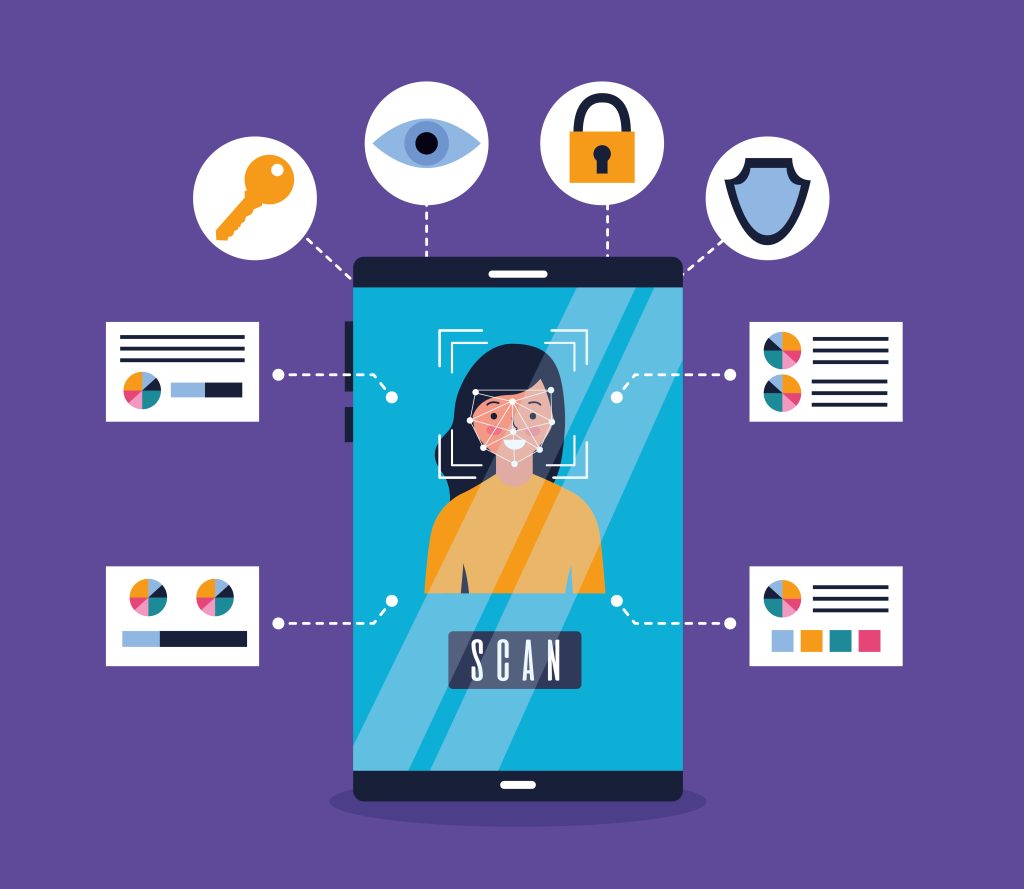
For businesses, these benefits translate into fewer identity-related fraud cases, lower onboarding and KYC costs, and smoother customer journeys across channels. Instead of managing multiple siloed identity systems, teams can rely on a shared, verifiable credential layer that plugs into both Web2 and Web3 products.
Recommended Reading:
Decentralized identity use cases in 2026 are shifting from “interesting idea” to practical infrastructure. Across finance, healthcare, education, Web3, e-commerce, and social impact, the winning pattern is consistent: reusable verifiable credentials, clear consent, and less sensitive data stored by every service.
At ND Labs, we continuously expand our expertise and monitor emerging technologies to help companies implement decentralized identity solutions. Contact us today to discover how DID can transform your business.