Cryptocurrencies and blockchain technology continue to reshape the financial landscape, introducing innovative solutions and opportunities in the crypto ecosystem. 4 major pillars: Decentralized Finance (DeFi), Centralized Finance (CeFi), Game Finance (GameFi), and Payment Finance (PayFi) — are leading this transformation.
Let’s take a closer look at all of them, with a special focus on PayFi.
New to DeFi? Start with our full guide: What is DeFi? Looking for a practical 2026-focused view (risks, MiCA, wallet UX)? See DeFi in 2026.
DeFi refers to decentralized financial services built on public blockchains (commonly Ethereum). Its core principle is the removal of intermediaries, allowing users to lend, borrow, and trade digital assets through smart contracts.
Example Projects:
You can begin by setting up a crypto wallet (e.g., MetaMask), funding it with a supported asset, and testing reputable DeFi apps like Uniswap, Aave, or Compound with small amounts first. Always review transaction details and understand the risks before you sign.

Looking to get started with a crypto wallet? Explore our white-label crypto wallet or check out our Crypto Wallets 2025 Guide for step-by-step instructions.
CeFi involves centralized platforms, such as crypto exchanges and custodial wallets, that offer user-friendly gateways to the world of digital assets. Unlike DeFi, a central authority manages transactions and enforces rules.
Example Platforms:
For businesses building a CeFi product, we also offer crypto exchange development — from core exchange functionality to a scalable, user-friendly platform.
CeFi platforms often provide customer support and may offer protections in some cases, but they require trust in a central operator. DeFi removes intermediaries and gives users direct control over funds, but it also puts more responsibility on the user. Both models have trade-offs — the right choice depends on your preference for control vs. convenience.
Curious about the differences between DeFi and CeFi? Explore our detailed guide: What is DeFi?
GameFi merges gaming and decentralized finance under one ecosystem. These blockchain-based games allow users to earn cryptocurrency or NFTs through gameplay, commonly adopting a Play-to-Earn (P2E) model.
Example Projects:
GameFi platforms use blockchain-based rewards (cryptocurrencies or NFTs) that can be traded on exchanges or marketplaces. By earning these assets through Play-to-Earn mechanics, players can sell them for profit, making gaming a potential source of real-world income.
Want to learn more about NFT marketplaces? Check out our guide to choosing the right NFT marketplace, and explore ND Tribe, it is our white-label solution for a ready-to-launch NFT marketplace platform.
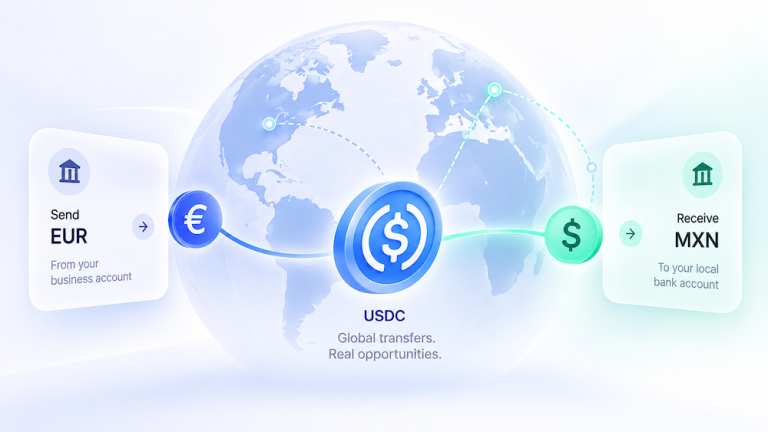
PayFi focuses on payment solutions that leverage blockchain technology to simplify and accelerate crypto transactions. The aim is a seamless integration of digital assets into everyday financial operations.
In practice, PayFi often overlaps with stablecoins, on-chain settlement, and payment rails that feel instant for users, while still benefiting from blockchain transparency and programmability.
On July 8, 2024, Lily Liu, President of the Solana Foundation, delivered a keynote speech at the 7th EthCC Conference titled “The Rise of PayFi: Realizing the Vision of Cryptocurrency.” In her speech, Liu explored the concept of PayFi in detail, highlighting its potential to transform the payments industry. According to her, the successful development of PayFi requires three main conditions:
Example Solutions:
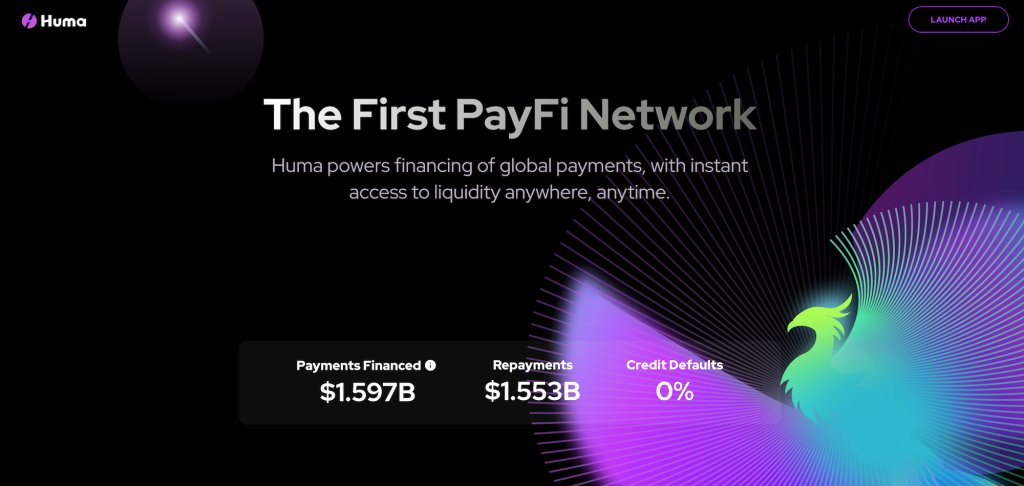
A blockchain-based credit and lending protocol that enables real-world asset (RWA) financing. It allows users to access credit using future income streams as collateral, supporting PayFi’s goal of instant, seamless transactions.
Bridges traditional and decentralized finance (TradFi & DeFi) by offering tokenized RWAs like stablecoins, treasuries, and bonds. It enhances liquidity and accessibility for high-yield crypto investments, aligning with PayFi’s financial efficiency goals.

A decentralized telecom network integrating blockchain-based payments with Web3 and DeFi. It facilitates seamless mobile transactions and financial inclusion, driving PayFi’s mass adoption efforts.

PayFi is set to become a key driver of innovation in global payments, bringing Satoshi Nakamoto’s vision of a decentralized, P2P electronic cash system closer to reality. Satoshi envisioned Bitcoin as a global, trustless payment method, allowing users to transact directly without intermediaries, ensuring financial autonomy, lower costs, and borderless transactions.
Contact our team to learn how we can streamline your payment processes.
The future of digital assets looks brighter and more accessible than ever before by combining decentralized finance, centralized solutions, Play-to-Earn gaming, and streamlined crypto payments.